Why work is (still) not working for women
Unpaid work. Sexual harassment. Violence. Low wages. The “motherhood penalty.” These are just some of the issues that millions of women continue to face at work in 2025. Despite progress made towards global…

Hidden cost of being young and what our Gen Zs need to…
No one ever referred to me as a care worker. Before I turned 18, I could rock a baby to sleep with one hand while stirring a pot of ugali with the other.…

How we can drastically transform care work to empower our women
A potential customer samples items on sale at a Nairobi expo meant to empower women entrepreneurs in showcasing their talents. Women entrepreneurs have expressed concern that they attend many empowerment workshops but get…
Mainstream Kenya’s care economy
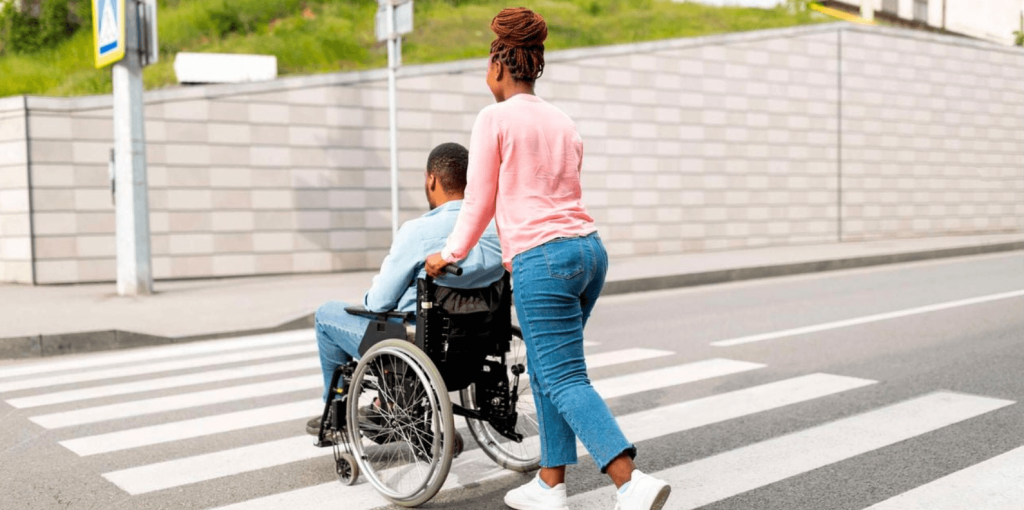
The care economy, comprising paid and unpaid work that sustains families and communities, has remained invisible in our policies. As the country pursues economic recovery, gender equality and inclusive growth, we must recognise…

Investing in care is critical to economic development
Every year, Kenya pours billions of shillings into educating its youth-from capitation grants in primary and secondary schools, to bursaries, scholarships, and the Higher Education Loans Board fund for university students. Girls excel,…

‘Hiyo ni kama kukaliwa,’ why some men still refuse to share household…
What you need to know?

Kenya should account for unpaid care work
Omitting unpaid care work from national accounts skews budget priorities by making invisible the need for public investment in care services like childcare, elder care, and health support systems.
Why care work should be everyone’s business
In Kenya, women often spend hours daily caring for children, the elderly, and the sick, limiting their participation in the workforce and business growth.

Why Kenya should invest in care work
Businesses should adopt gender-responsive workplace policies, such as flexible hours and on-site childcare, to support employees with caregiving responsibilities.